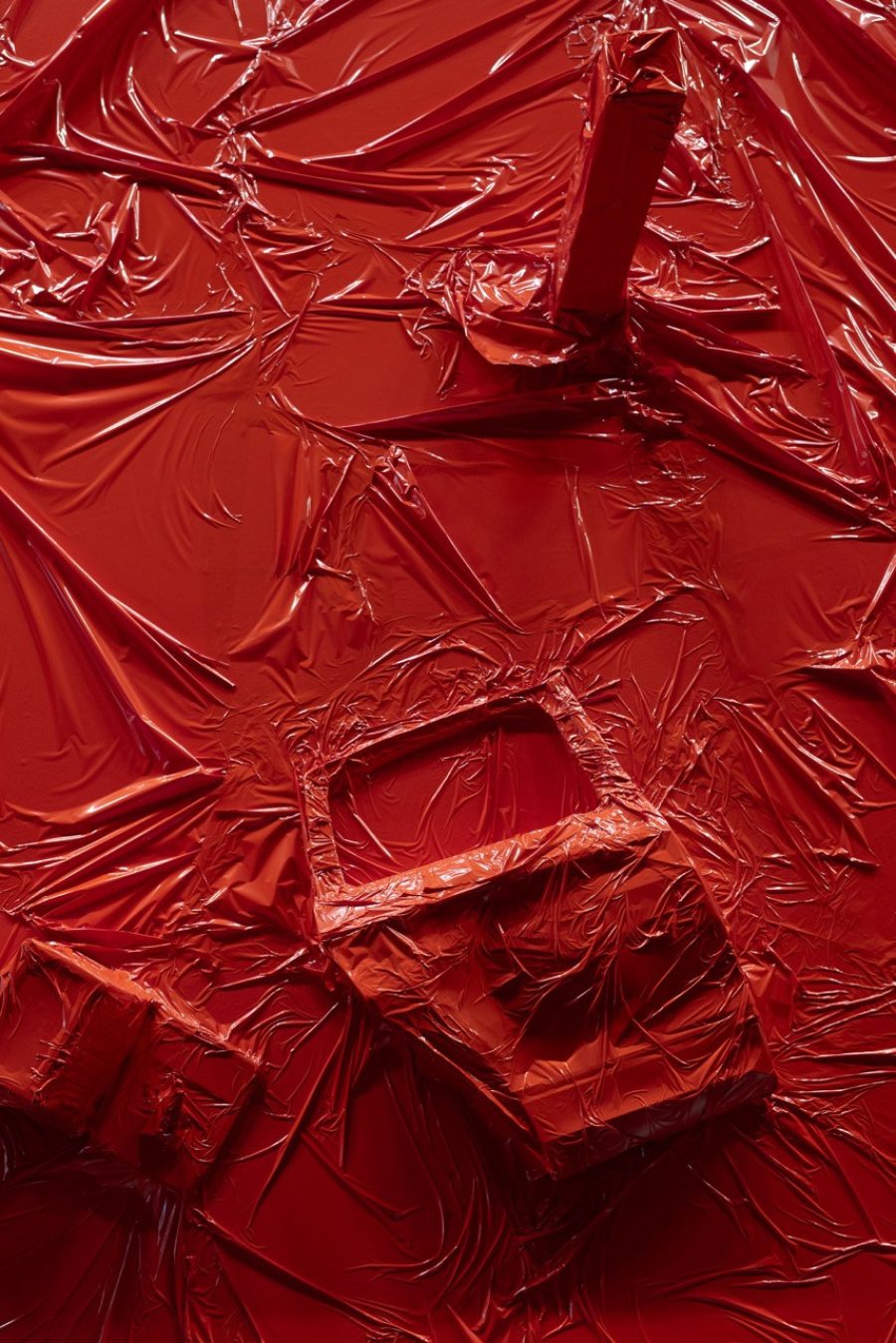
Anita Molinero
Sculpture is not dead
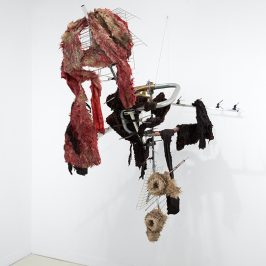
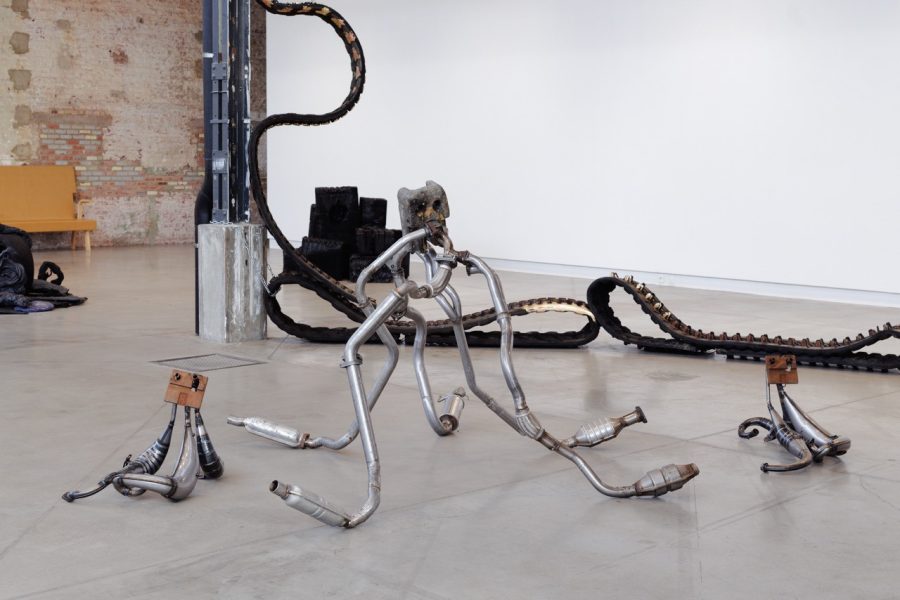
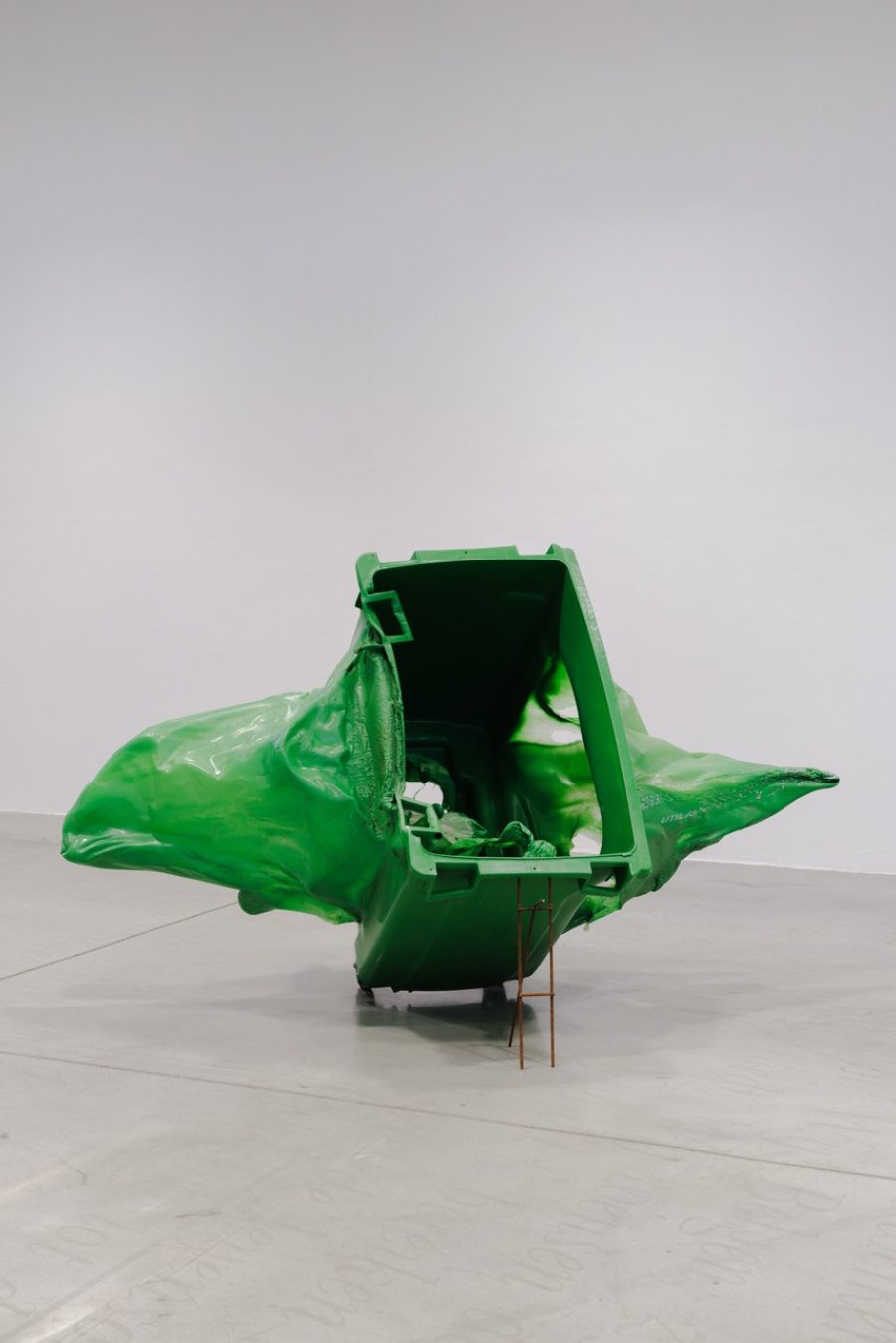
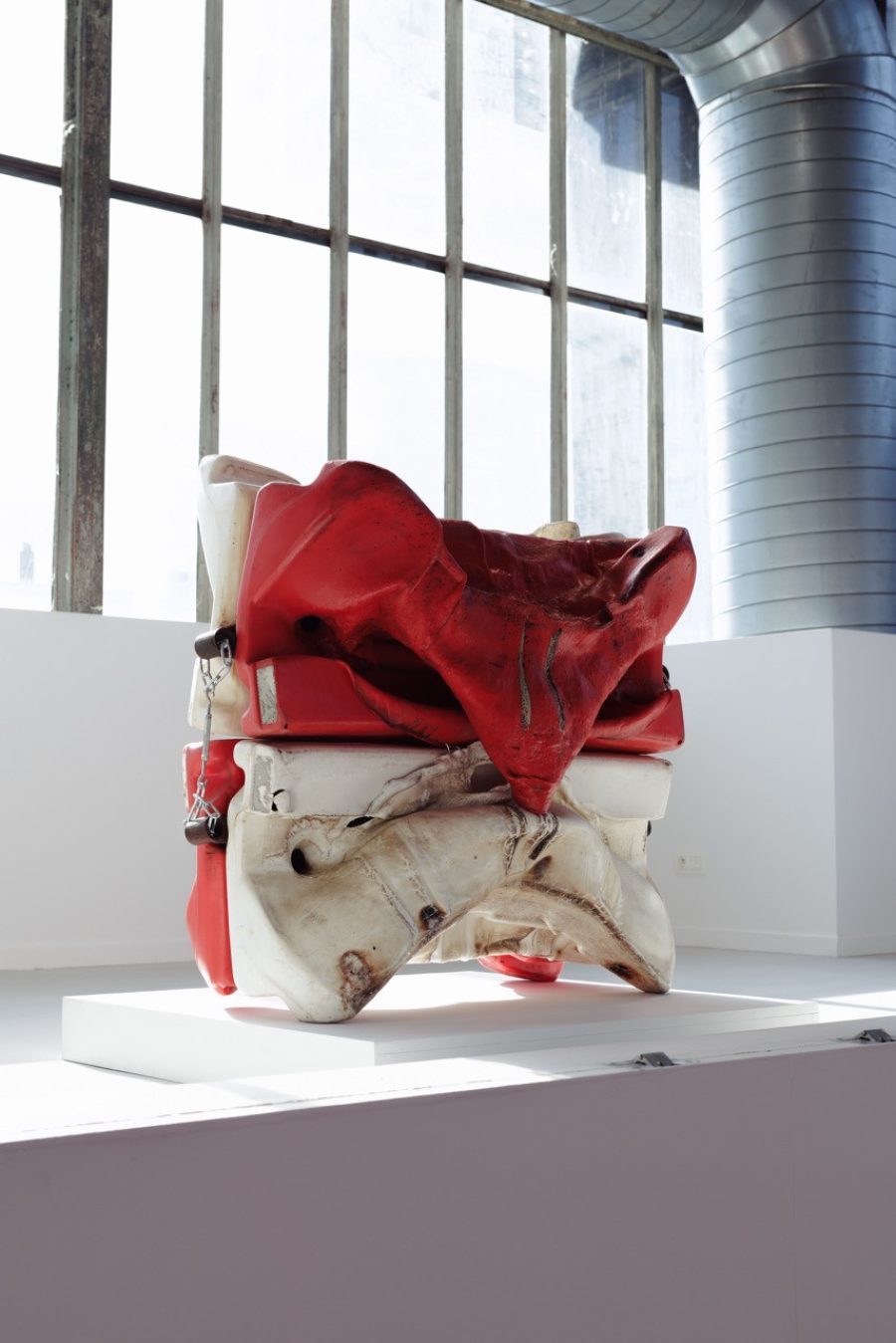
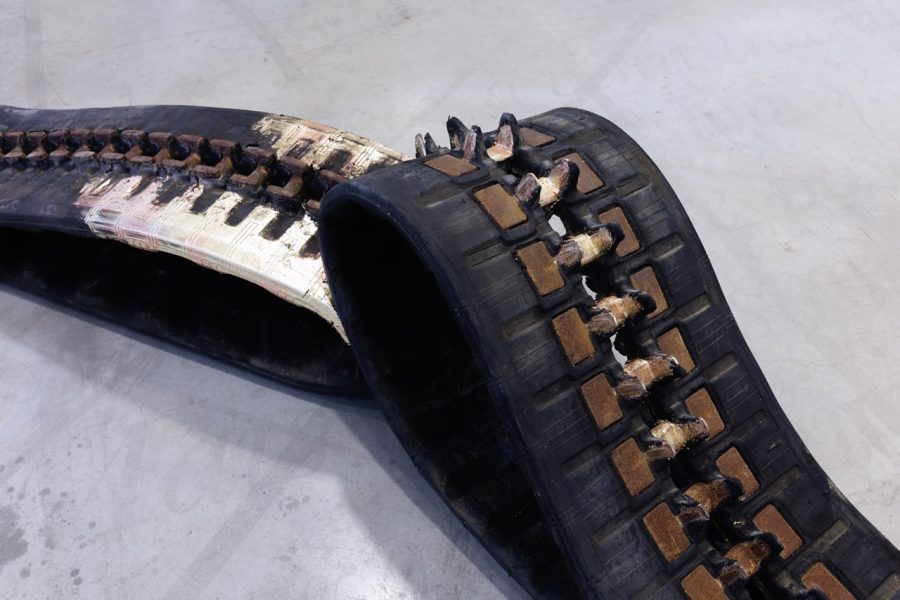
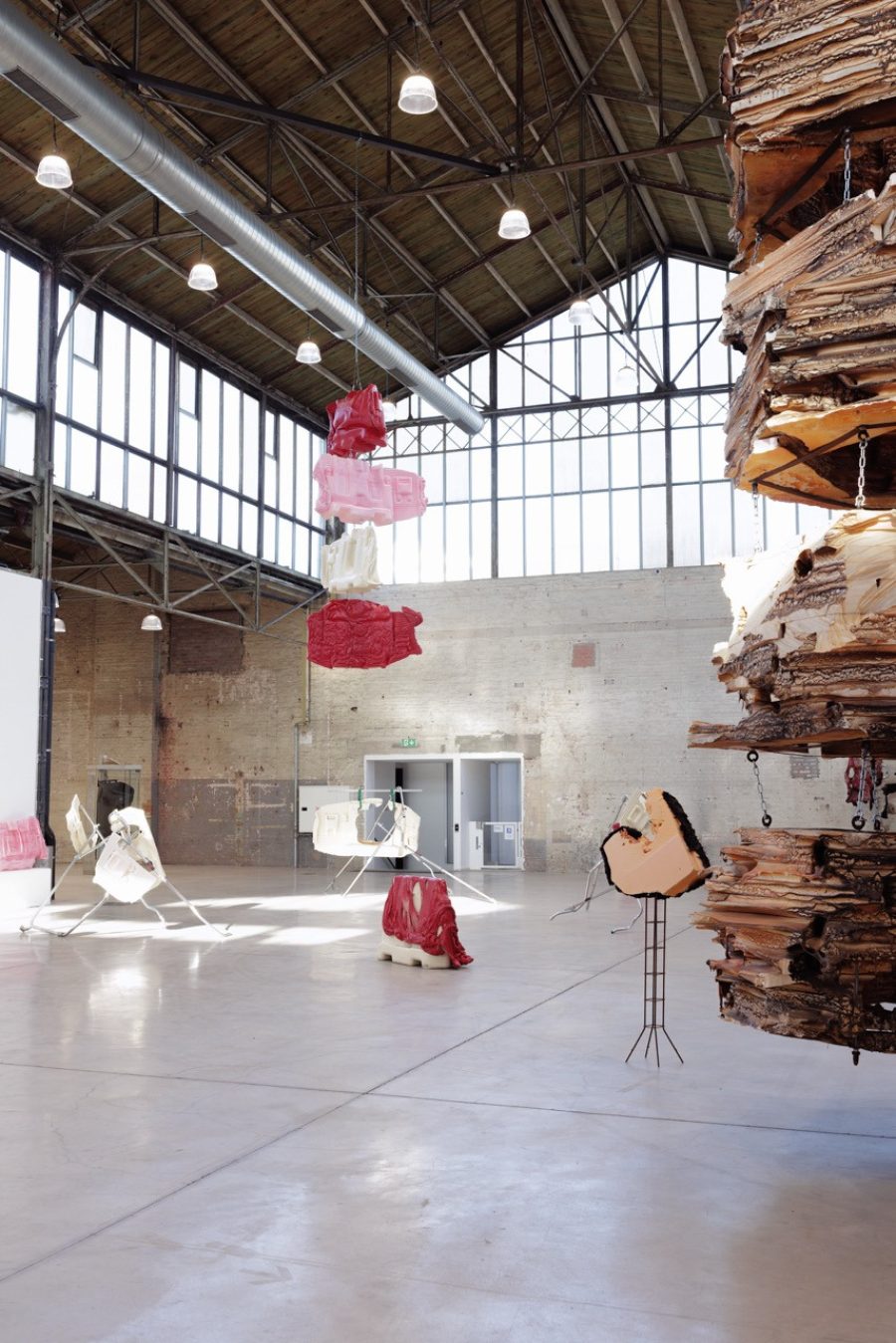
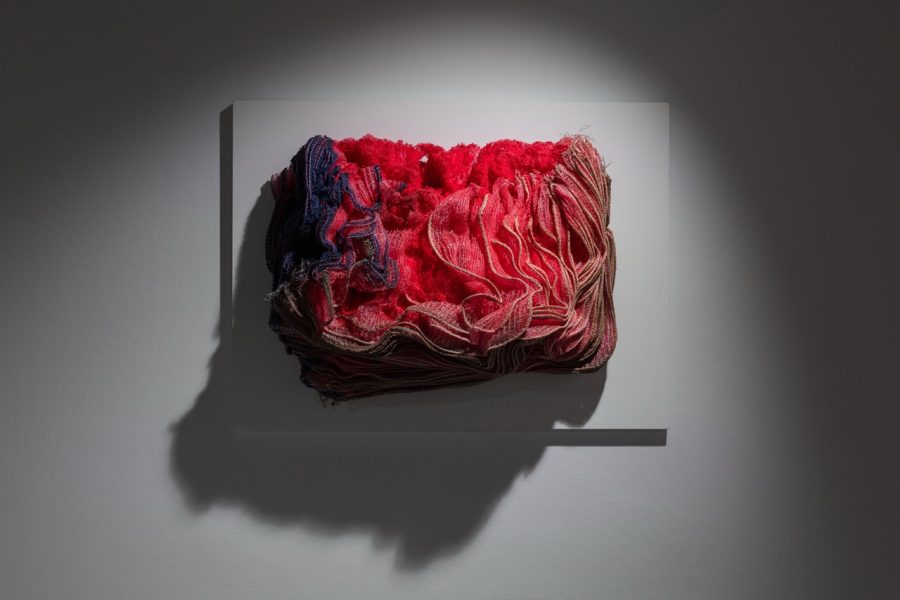
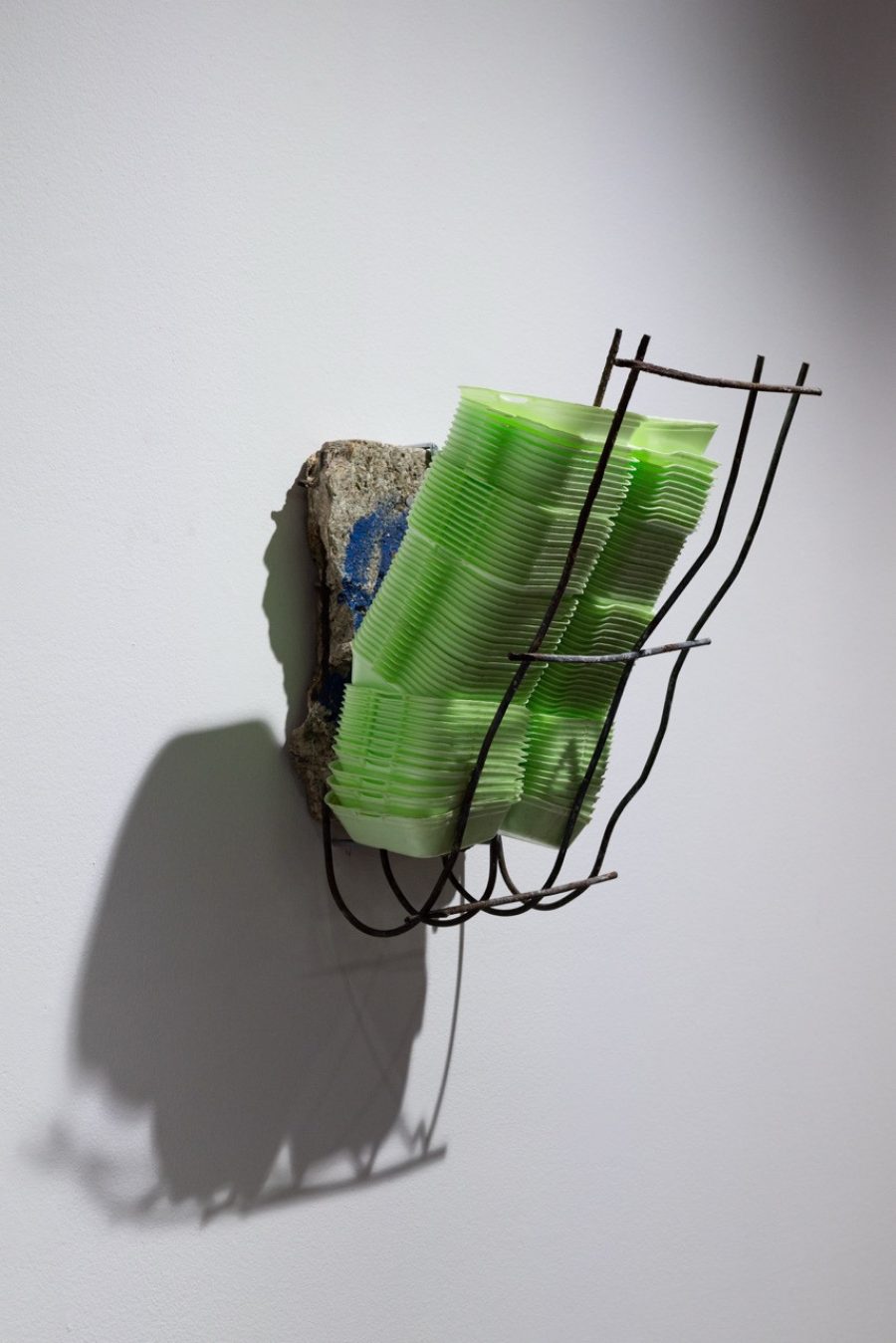
An icon of French sculpture, Anita Molinero (Floirac, 1953) works exclusively with discarded manufactured objects that she rescues and recycles. Often described as "punk", her work is characterised by brutal, irreversible gestures that assault the salvaged objects: heating, burning, twisting, slashing, compressing and bashing them, pushing the material to the very limits of formlessness. Her work is driven by the encounter between gesture and materiality. Between destruction and shaping, death and rebirth, Anita Molinero creates sculptures that are emblematic of a world dominated by overproduction and the depletion of natural resources. For her first major exhibition in Belgium, the artist has created a number of new works from materials collected in the region.
Book your ticket online
By searching for the date of your visit, you will be redirected to a platform that manages our online reservations.
Curator: Camille Gouget
Exhibition runs from 26 September 2026 to 3 January 2027
Opening night: 25 September 2026, 7 p.m.
Find out more
Biography
Anita Molinero, born in Floirac (Gironde) in 1953 to a French mother and Spanish anarchist father, graduated from the École supérieure des Beaux-Arts de Marseille in 1977. Just four years later, she became one of the youngest art school lecturers of the time, embarking on a teaching career that took her to Poitiers, Valenciennes, Bogotá, Bordeaux and Marseille.
From her first exhibition at the Musée Sainte-Croix in Poitiers in 1985 to her monographic exhibition at MAC Marseille in 2024, Anita Molinero has achieved significant institutional acclaim in France. Her work has been the subject of 35 solo exhibitions in public institutions, including Le Consortium in Dijon, the Musée d’Art Moderne in Paris, Frac-Artothèque Nouvelle-Aquitaine, MAMCO in Geneva, CRAC in Montbéliard and Le Shed. Her creations feature in 13 French collections.
However, it was not until she was 54 that the art market began to recognise her work, some 30 years after obtaining her degree in fine arts. Initially represented by Galerie Alain Gutharc from 2007 to 2015, then by Galerie Thomas Bernard - Cortex Athletico, she has been represented by Galerie Christophe Gaillard since 2022.
Juggling her various teaching roles with her family life and artistic practice, Anita Molinero has kept few of her sculptures over the years, even going so far as to destroy many of them due to a lack of space.
In 2007, she moved from Marseille to Paris, where she has worked in a number of temporary studios capable of accommodating her often “unconventional” creations.
Artistic practice
An icon of French sculpture, Anita Molinero works exclusively with manufactured objects that she collects. Often described as a sculptor of fire, she transforms these objects through brutal, irreversible gestures: heating, twisting, slashing, compressing and bashing them, pushing the material to the very limits of formlessness. What drives her work is the collision between gesture and materiality. Between destruction and shaping, she sculpts new life into forms.
Since the early 1980s, Anita Molinero has worked with simple, “unremarkable” materials – cardboard, foam, plastic bottles, cling film and all kinds of packaging – far removed from conventional artistic media. These objects allow her to experiment with the formal properties of sculpture: mass and void, weight, volume and balance. Beyond these formal aspects of sculpture, she is fascinated by the forms and contemporary character of the objects she collects. Throughout her career, Anita Molinero has surrounded herself with objects, “things” that she examines and contemplates on a daily basis. Some remain in her studio for years before finding their place in a work, whilst others are reused in new sculptures, themselves recycled from earlier works.
Far from being an artist defined by her relationship with art, Anita Molinero asserts that she lives and works in step with her times. The early 2000s, for example, were a period dominated by plastic. For Anita Molinero, plastic – omnipresent in daily life – became a central medium in her artistic practice, in particular following a pivotal event.
In 2000, while living in Marseille and working as a lecturer, she witnessed what she describes as an “aesthetic shock”: a gang of young people setting fire to rubbish bins during a demonstration in her neighbourhood of La Belle de Mai. For her, these melted bins were real sculptures – born of the encounter between fire (the gesture) and plastic (the materiality). This was Anita Molinero’s first bin (Musée d’Art Moderne de Paris Collection), quasi-ready-made, now regarded as the signature object of her artistic practice.
Ever since that event of 2000, street furniture has taken a prominent place in her sculpture. The scale of her works has become increasingly imposing: construction barriers, street lamps, insulation panels, containers. Described by the artist herself as “post-Chernobyl” and “monstrous”, the materiality of her works plunges the viewer into a science-fiction universe where sculpture breathes life into the most common of everyday objects and waste.
This exhibition, organised by BPS22, is supported by the Galerie Christophe Gaillard.